What Is a Publicity Tour? How Stars Promote a Film Around the World
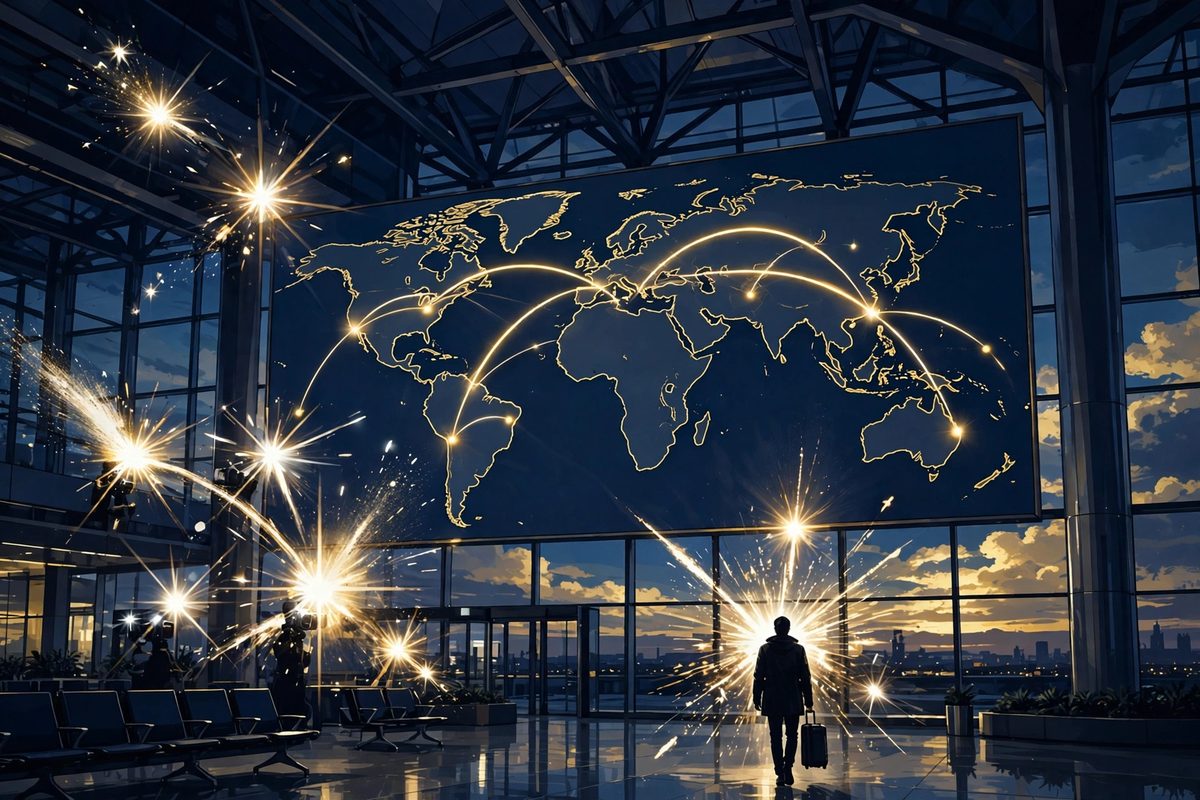
When a big film opens, its stars seem to be everywhere at once: joking on a talk show in New York, walking a red carpet in London, answering questions at a fan event in Seoul — sometimes within the same week. That blur of appearances is not a coincidence, and it is not a holiday. It is a publicity tour, one of the film industry's oldest and most demanding marketing machines.
What a publicity tour actually is
A publicity tour — often just called a press tour — is a planned itinerary of promotional appearances built around a film's release. The studio's publicity team maps the journey months in advance: which cities, which outlets, which events, in what order. The goal is to place the film's most recognisable faces in front of as many audiences as possible in the short window when attention converts into opening-weekend ticket sales. Tours are contractual as well as promotional: stars' agreements typically include promotional obligations, and the size of the tour reflects the size of the film. A global blockbuster might circle the world, while a small independent release may manage a handful of interviews from a single hotel room. Print interviews still matter for the long, serious profile that anchors a campaign, while morning television trades depth for reach.
The building blocks: junkets, carpets and couches
Several formats repeat in every city. The press junket gathers journalists in a hotel, where actors rotate through rooms — or sit in one room while reporters cycle in — giving interviews of a few minutes each, dozens in a day. Television talk shows offer the biggest single audiences and reward stars who can tell a funny, self-deprecating story in six minutes. There are red-carpet premieres and photocalls in landmark locations, radio and podcast recordings, fan screenings with question-and-answer sessions, and carefully timed social media posts. Each format reaches a different audience, and the schedule stacks them back to back: a star may do a breakfast show, a junket, a photocall and a premiere in a single day.
Why studios tour the world
Films now earn a large share of their money outside their home market, so promotion travels to where the audiences are. A stop in a major market is timed to that country's release date, local holidays and competing releases. Local interviews matter because audiences respond to effort: a star who appears on a country's own programmes, attempts a greeting in the local language and praises the local food generates warmer coverage than a satellite link from Los Angeles. Tours also serve partners and exhibitors in each territory, who expect the studio to support the release they are booking into their cinemas. The economics are discussed openly inside the industry: a well-timed stop can dominate a country's entertainment coverage for a full news cycle, which is advertising no studio could simply buy.
The people you never see
For every star on a carpet, there is a small travelling operation behind them: publicists who negotiated every interview and can end one that strays off-limits, stylists and grooming teams who keep the same person camera-ready across time zones, assistants managing schedules measured in minutes, and security and drivers moving everyone between venues. Journalists work to rules too: interviews may be embargoed until a set date, some subjects are agreed in advance to be off the table, and junket conversations are short enough that preparation is everything. The apparent spontaneity of a great talk-show anecdote is often the most rehearsed moment of the day. Interpreters join the travelling party in markets where the star does not speak the language, and their phrasing can decide whether a joke lands or a headline misfires.
What can go wrong
Tours are exhausting and occasionally combustible. Illness and fatigue are constant risks when the schedule crosses time zones, and a cancelled appearance becomes its own news story. A careless answer in a four-minute junket interview can be clipped, stripped of context and turned into the only story of the week — publicists plan for these moments precisely because they are so common. Politics, local sensitivities and old controversies can all resurface in unfamiliar markets. And sometimes the tour works too well in the wrong way: if the coverage focuses entirely on a star's personal life, the film itself disappears from the story it was paying to tell.
The streaming era changed the route
The classic world tour still exists for the biggest releases, but many campaigns now mix physical travel with virtual junkets, where a star sits in one studio and speaks to journalists on screens across several countries in a day. Social platforms have added a new stop on every itinerary: the stars' own accounts, where a single behind-the-scenes post can reach more people than a national talk show. What has not changed is the underlying bargain — attention is scarce, opening weekends are short, and a familiar face working hard in your city is still the most reliable way to earn both. Younger audiences, in particular, often meet a film first through tour content — a game segment, a challenge, a thirty-second clip — long before they see a trailer.
The takeaway
A publicity tour is a film's final act of production: the manufacturing of a conversation. When it works, audiences feel as if a movie is simply everywhere. That feeling is the product — planned months ahead, city by city, interview by interview, until release day arrives.
Sources: This explainer is based on widely reported publicity practices covered by trade publications such as Variety, The Hollywood Reporter and Deadline.