How Movie Premieres Work — and Why Studios Spend Millions on Them
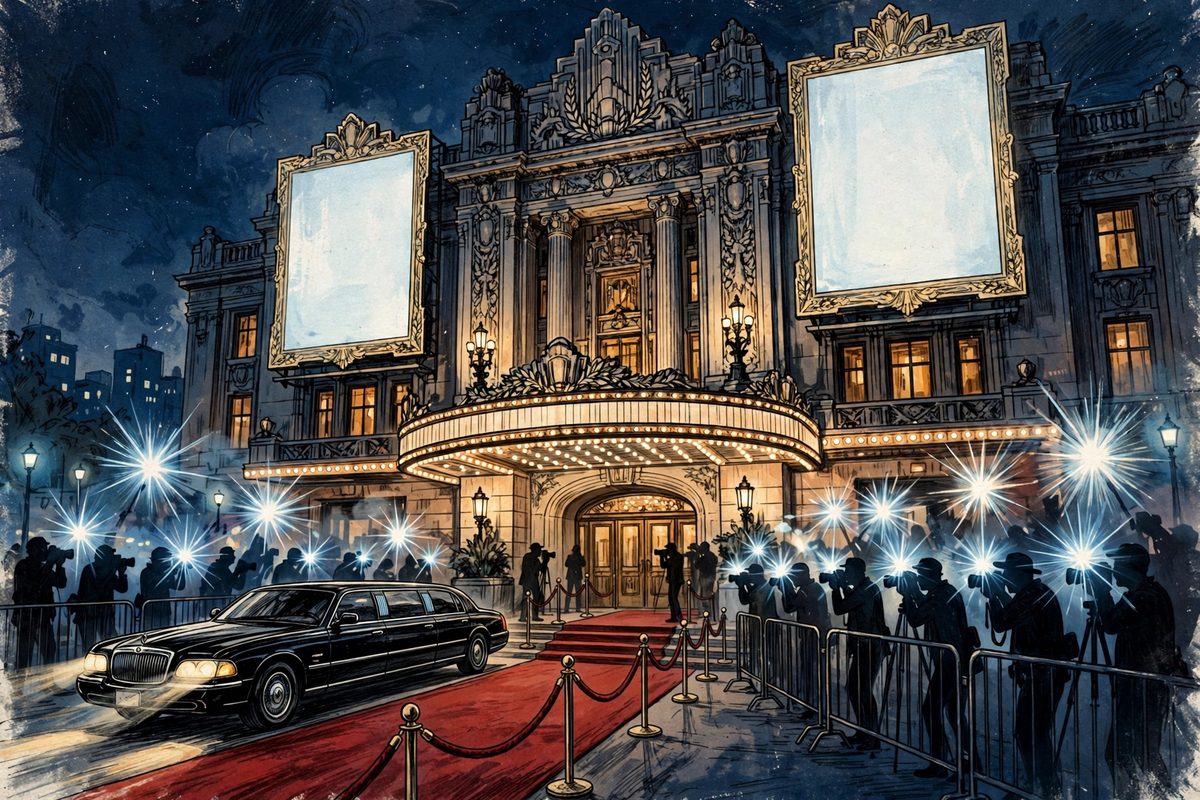
A major movie premiere looks effortless: a red carpet, a wall of camera flashes, stars waving at fans, and by midnight the photographs are everywhere. In reality, that single evening is one of the most carefully engineered nights in show business — part screening, part advertising launch, part industry ritual. Here is what actually happens, and why studios are willing to spend so much on it.
What a premiere is — and is not
A premiere is the first public screening of a film, but its real audience is much bigger than the people in the cinema seats. The guests inside — cast, filmmakers, executives, journalists and invited influencers — are only the beginning. The event is designed to produce images and stories that travel: the arrivals, the interviews, the reactions and the after-party photographs that entertainment outlets will run for days. A world premiere launches the film globally; regional and festival premieres repeat the formula in new markets. For the studio, the screening itself is almost the least important part. The film is finished. What is being sold is attention. The word itself gives the game away — it is a first showing staged not for the people watching the film, but for everyone who will hear about it afterwards.
The guest list is a strategy
Invitations are allocated with care. Trade and entertainment journalists are invited because they will file stories and reviews. Television crews get positions on the carpet because their footage will run that night. Social media creators are invited because their posts reach audiences who may never read a review. Industry guests — agents, executives, awards voters, future collaborators — are there because premieres are also business gatherings. Fans are usually kept behind barriers outside, and that is deliberate too: their cheers and homemade signs are the soundtrack and backdrop that make the photographs feel like an event rather than a photocall. There is also a quiet hierarchy of plus-ones, and publicists guard it fiercely, because who is seen entering with whom becomes part of the story.
Anatomy of the red carpet
The carpet — not always red, and often themed to match the film — runs between the arrivals area and the theatre entrance, lined on one side by photographers and camera crews in assigned positions and on the other by reporters conducting interviews of a few minutes each. Behind the stars stands the step-and-repeat wall, covered in the film's title and sponsor logos, positioned so that every photograph carries the branding. Publicists choreograph the walk: spacing arrivals so each star gets clear photographs, pairing co-stars for joint shots, and steering talent toward priority outlets. A big premiere can take hours to walk a carpet that is only a few dozen metres long — and that slow walk is the point. Even the weather has a plan: canopies on standby, heaters or fans along the barriers, and a covered route for talent in evening wear, because a soaked star photographs badly in every market.
Inside the screening
Once inside, the programme is tightly timed. A host or studio executive introduces the director, who introduces the cast, and the film plays to an audience of supporters — which is why premiere reactions are famously enthusiastic, and why studios rarely treat them as honest reviews. Critics often attend separate press screenings, sometimes days earlier, so their verdicts are not swept up in the evening's applause. Phones may be collected or sealed in pouches for high-security releases, and guests at advance screenings of embargoed films may agree in writing about what they can say and when. Seating is planned as carefully as the carpet: executives and senior talent near the centre, press where they can reach the exits and file quickly, and the guests most likely to be photographed reacting placed where the house cameras can find them.
Why spend so much on one night?
Studios argue the maths works. A tentpole film's marketing budget can rival its production cost, and a premiere concentrates spending into a single moment that generates coverage across television, print and social feeds in dozens of countries at once. The photographs are licensed and reused for the entire release campaign. Sponsors — car brands, watchmakers, drinks companies, airlines — pay to attach themselves to the evening, offsetting costs. A successful premiere also signals confidence, internally and to exhibitors: a studio that stages a spectacle is telling cinema owners this film deserves their best screens. When a studio quietly skips the big premiere, the industry notices that too.
Festivals and fan premieres
Not all premieres wear black tie. Festival premieres — at Cannes, Venice, Toronto and elsewhere — serve critics and buyers as much as fans, and a standing ovation there can set a film's awards narrative in motion. Fan premieres and convention launches trade glamour for volume: halls of devoted followers whose reaction videos become the campaign. Streaming-era premieres have adapted too, mixing a physical carpet with global livestreams so the "first screening" can be watched, at least in part, by anyone.
The takeaway
A premiere is best understood as a film's first advertisement for itself — a night when the finished product matters less than the story told about it. The carpet, the wall of logos, the spaced-out arrivals and the roaring fans are all machinery, and once you see the machinery, you cannot unsee it. That does not make the magic fake. It just makes it manufactured — on purpose, and at considerable expense.
Sources: This explainer is based on widely reported studio marketing practices covered by trade publications such as Variety, The Hollywood Reporter and Deadline.